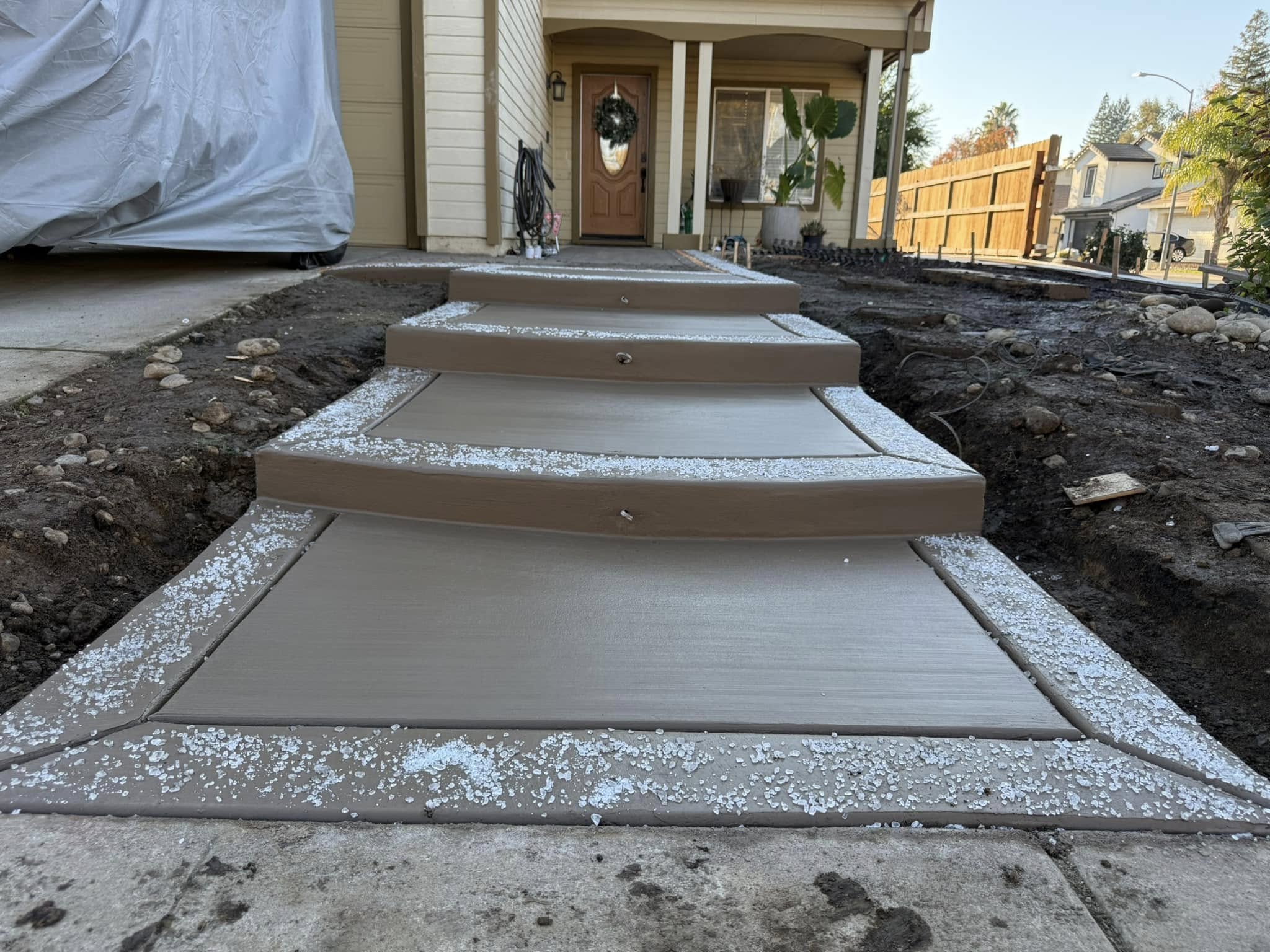
Weatherproofing Your Concrete: Tips for Longevity in Every Season Mar 09, 2026
Concrete, while robust, is vulnerable to the ravages of nature. Water, temperature variations, and even environmental pollutants can cause significant damage. This is why weatherproofing is an essential step for any concrete surface. Proper maintenance not only ensures longevity but also keeps repair costs down and maintains aesthetic appeal.
Start by choosing a high-quality sealer. Concrete sealers act as protective barriers, shielding your concrete from moisture, which can lead to cracks and surface damage. There are numerous sealers available, each designed for specific applications. Penetrating sealers, for instance, offer deep protection from water and deicing salts, making them ideal for driveways and walkways. Film-forming sealers, such as acrylics or urethanes, are better suited for decorative surfaces where aesthetics are as important as protection.
Regular cleaning plays a pivotal role in maintaining weatherproof concrete. Dirt and debris can lead to surface damage, so keeping your concrete clean is essential. Use a power washer if necessary, but ensure the pressure is not too high, as it could harm the surface. Monthly cleaning, coupled with seasonal deep cleans, can dramatically improve both the appearance and longevity of your concrete surfaces.
Next, consider control joints, which are strategically placed to accommodate the natural expansion and contraction of concrete in response to temperature fluctuations. These joints help prevent unsightly cracks by giving the concrete more space to move and adjust. If you notice cracks developing outside of these control joints, address them promptly. Repair small cracks immediately using a suitable concrete patching product. Ignored cracks can expand over time, leading to more extensive damage that is both costly and cumbersome to fix.
In colder climates, it’s vital to protect your concrete from freeze-thaw cycles. These occur when water enters small surface cracks or pores, freezes, and expands, causing the concrete to split and deteriorate. Applying a protective sealer and using sand instead of salt for de-icing can prevent this type of damage. Salt is particularly harmful as it can chemically react with concrete, exacerbating surface damage.
Environmental conditions, like oil spills and UV exposure, can also affect concrete surfaces. To combat these woes, ensure your concrete is regularly inspected for oil stains or discoloration. Utilize degreasers for spot treatment, and consider adding a UV-resistant topcoat if your concrete is exposed to direct sunlight for extended periods.
In conclusion, weatherproofing your concrete is not just about applying a protective coat. It’s about adopting a comprehensive maintenance regimen that includes cleaning, timely repairs, and the right protective measures tailored to the environmental challenges your concrete face year-round. At 4 Seasons Concrete Inc., we advocate for proactive care to ensure that your concrete surfaces not only withstand seasonal changes but also age gracefully, providing enduring beauty and strength for the memories they support. If you’re uncertain about the best practices for weatherproofing your concrete, our team is always ready to offer expert advice and solutions tailored to your specific needs.
/filters:no_upscale()/filters:format(webp)/media/eddbc60f-3142-4ac7-9014-d741c92d3ce8.jpeg)