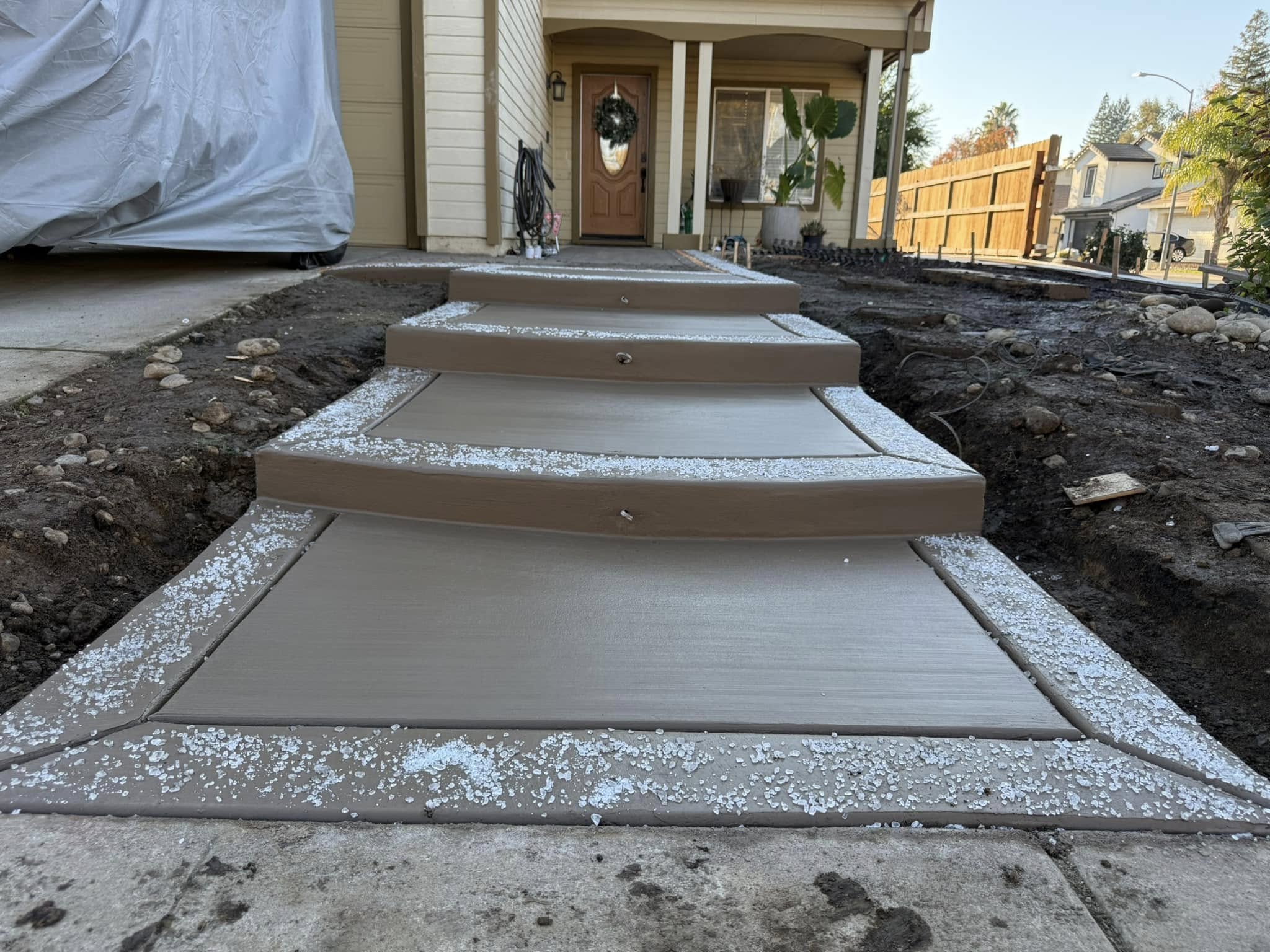
Mastering Winter Concrete Projects: Tips and Techniques Jan 26, 2026
Successfully planning your concrete project is crucial, especially when the temperatures drop. Start by understanding the effects of cold weather on concrete. When temperatures fall below 40°F, concrete can face delayed setting times and weakened structural integrity. This is why proper planning and preparation are vital for winter projects.
One of the essential techniques is to implement adequate curing methods to protect the concrete from freezing. Curing is the process of maintaining adequate moisture, temperature, and time to allow the concrete to achieve desired strength and durability. During winter, consider using insulated blankets or enclosures to retain heat. Additionally, accelerating admixtures can be added to the mix to speed up the setting process and strengthen the final product.
Site preparation is another critical element. Before pouring concrete, ensure the ground is free of frost and snow. If temperatures are particularly low, pre-heating the ground can improve the setting speed and increase longevity. This might require additional materials such as heated enclosures or ground heating systems.
Furthermore, using the right concrete mix is crucial. A high-quality winter mix often contains air-entraining admixtures which help minimize the risk of surface scaling and cracking due to freeze-thaw cycles. Make sure to discuss with your contractor about using a specific mix designed for cold weather.
The timing of your pour also matters. Consider scheduling your pour during the warmest part of the day to reduce the risk of freezing. Continuous mixing and shorter transit times from the plant to the site can further aid in retaining heat within the mix.
Weather monitoring and contingency planning are key components of any successful winter concrete project. Keep a close eye on weather forecasts to anticipate any drastic temperature drops that could affect your project timeline. Have a contingency plan in place to manage unexpected delays caused by severe weather conditions.
Safety should never be compromised. Ensure that all workers are equipped with proper winter gear to prevent cold-related illnesses and accidents. Safety measures should include clear communication protocols and regular inspections of equipment to ensure they function well in cold environments.
At 4 Seasons Concrete Inc., we pride ourselves on our ability to provide superior quality concrete work even in the harshest of winters. Our team combines expertise with the right tools and techniques to deliver results that stand the test of time and weather.
In conclusion, mastering winter concrete projects requires attention to detail and careful consideration of several factors. With the right planning, mix, and techniques, your concrete work can remain strong and durable, regardless of how low the mercury drops. Engaging the services of experienced professionals like 4 Seasons Concrete Inc. can make the difference in ensuring your project’s success amidst the challenges of winter.
/filters:no_upscale()/filters:format(webp)/media/eddbc60f-3142-4ac7-9014-d741c92d3ce8.jpeg)