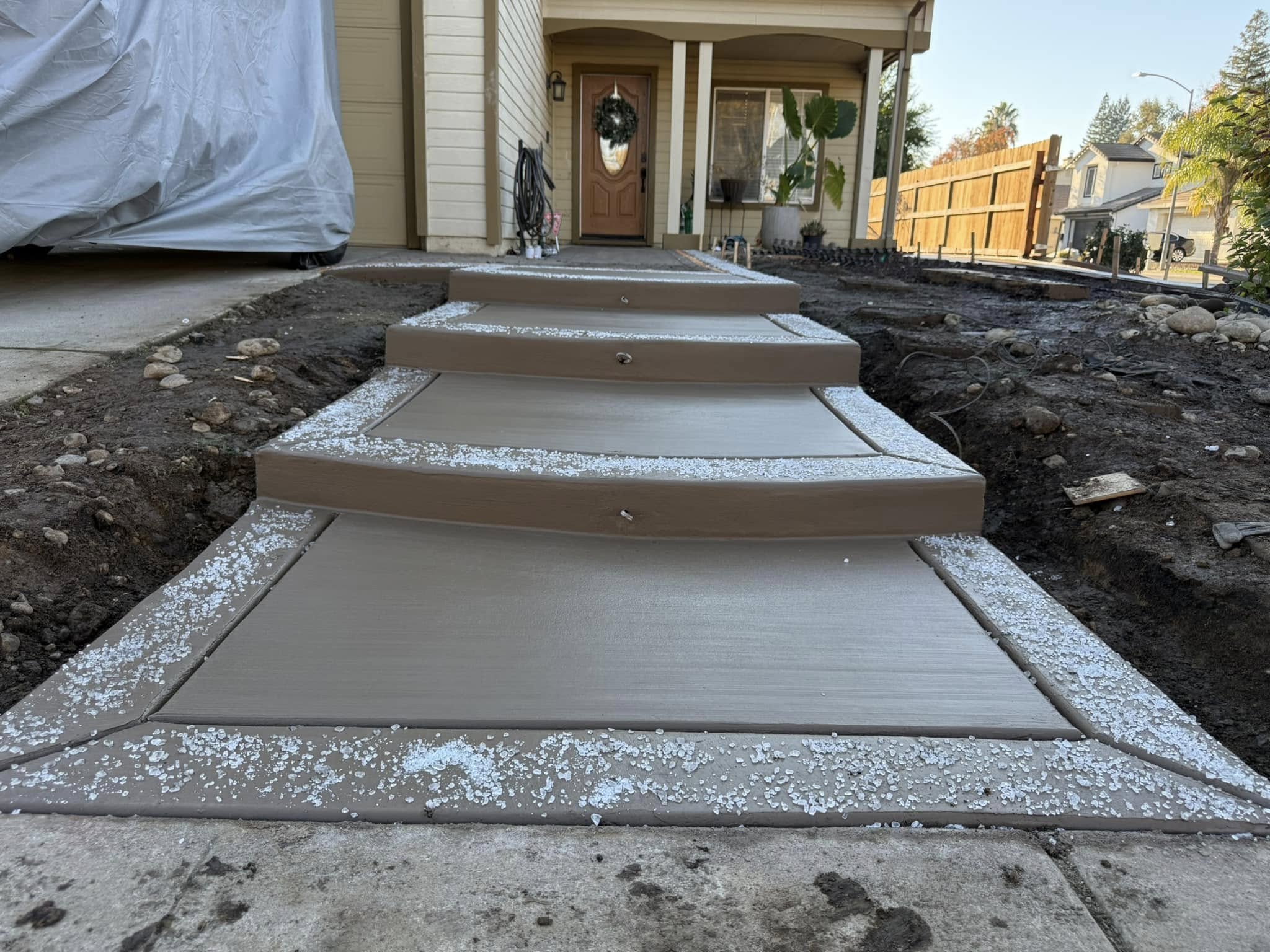
How Concrete Enhances Energy Efficiency in Home Builds May 18, 2026
Concrete’s role in energy efficiency primarily lies in its thermal mass. Thermal mass refers to a material's ability to absorb, store, and slowly release heat. Concrete's high thermal mass allows it to stabilize temperature shifts within a home by absorbing warmth during the day and releasing it at night, thereby reducing the need for artificial heating and cooling. This natural regulation leads to lower energy consumption, contributing to a smaller carbon footprint for homeowners.
Moreover, concrete forms an airtight barrier when used in construction, greatly enhancing a home's insulation. With fewer gaps for air to escape, homeowners can take advantage of a consistent indoor temperature, which further reduces reliance on heating, ventilation, and air conditioning systems. This feature not only results in lower energy bills but also extends the lifespan of HVAC systems, leading to additional savings.
Another way concrete enhances energy efficiency is through its durability and longevity. Unlike other building materials that may degrade over time, concrete structures can withstand extreme weather conditions without a significant loss of integrity. This durability translates into less maintenance and repair, which saves energy associated with manufacturing and transporting replacement materials.
A significant advantage of using concrete in home builds is its compatibility with energy-efficient technologies like radiant floor heating. Concrete's excellent heat conduction properties make it ideal for installing radiant heating systems, which work by circulating warm water through pipes embedded in the floor. This system effectively heats spaces with less energy compared to traditional heating methods.
Additionally, incorporating concrete into home designs is proving beneficial for urban environments facing the heat island effect, where densely built areas become significantly warmer than their rural surroundings. By using light-colored concrete, which reflects rather than absorbs sunlight, the urban heat island effect can be mitigated, promoting lower overall energy consumption for cooling.
Innovations in concrete mix designs, including the use of recycled materials as aggregates, enhance the sustainability of this material further. These innovations not only improve the energy efficiency of homes but also contribute to the reduction of greenhouse gas emissions during the production process.
At 4 Seasons Concrete Inc., we are dedicated to promoting sustainable building practices that leverage the inherently energy-efficient properties of concrete. We understand that the choice of materials is critical in building eco-friendly homes that meet the needs of modern homeowners without compromising future generations.
Concluding, it is evident that concrete is an indispensable component for constructing energy-efficient homes. Its thermal mass, insulation capabilities, durability, and adaptability make it an ideal choice for today’s eco-aware home builders. By choosing concrete, you are not only investing in a sturdy foundation for your home but also in a more sustainable future. As such, those interested in energy-efficient building materials should certainly consider concrete as a prime choice. For more information on how concrete can benefit your home build, feel free to reach out to us at 4 Seasons Concrete Inc. for expert advice and solutions tailored to your specific needs.
/filters:no_upscale()/filters:format(webp)/media/eddbc60f-3142-4ac7-9014-d741c92d3ce8.jpeg)